
Your cat just made it through surgery, and now it’s up to you to help them heal. Between the stitches, medications, and those heart-meltingly sad eyes, it’s easy to feel overwhelmed. But knowing how to take care of your cat after surgery is important for a swift recovery.
You’ll need to keep them comfortable, watch out for signs of trouble, and give them just the right amount of freedom as they recover. With a little patience and the right approach, you can make your cat’s recovery smooth, safe, and as stress-free as possible for both of you.
Caring for Your Cat While They Recover
After your cat wakes up from their surgery, your vet will monitor them until it’s safe for you to take them home. Preparing a safe space for your cat to recover and heal is the next logical step in the process. Other than having a cozy, confined space for them to recover, here are some other things you can do to care for your cat after surgery:
- Follow your vet’s instructions for medications and feeding.
- Prevent any jumping or forceful movements to avoid opening the incision.
- Prevent licking or biting of the incision site by using an e-collar (cone).
- Provide them with fresh water to encourage them to stay hydrated.
- Loss of appetite after surgery is normal, so offer small amounts of food while monitoring how much they eat.
- Keep their litter box clean at all times to help prevent infections. Your vet may even want paper litter during this time.
- Check the incision site at least twice a day to make sure it is healing properly.
- Do not bathe your cat until the incision has healed, to help prevent infection.
A note to keep in mind: The incision site may be red and swollen for the first three days, but if the redness and swelling continue beyond this timeframe or if you notice that the incision is leaking, contact your veterinarian for advice.
The amount of recovery time your cat needs will depend on the type of surgery they had. For common surgeries like spay/neuter it usually is between 10 to 14 days. However, healing after a major surgery, such as repairing a broken bone, may take 6 to 8 weeks.
Should I Let My Cat Walk Around After Surgery?
You may want to consider keeping your cat in a crate or pen for the first few days after surgery. And you will want to restrict your cat’s movement for at least 10 to 14 days. Make sure to restrict their access to stairs, furniture, and windowsills during the recovery period, as jumping can re-open the incision.
Limited, supervised movement is okay as long as your cat is alert and mobile. After the incision has healed and the sutures have been removed, it will be okay to let them walk around normally.
Signs of Infection in Cats After Surgery
It’s very important to keep your cat’s incision site clean and check it for any signs of infection at least twice a day. Don’t be afraid to contact your veterinarian with any questions or concerns during this time. If you notice anything unusual, contact your vet right away.
Signs that an incision may be infected include:
- Increased swelling or redness
- Foul-smelling discharge or oozing
- Lethargy, loss of appetite, or hiding more than usual
- Fever (heat at the incision site, hot ears or paws)
- Excessive licking or biting at the incision
Surgical Services for Cats in Harker Heights
Caring for your cat after a surgery can feel a little daunting, but with patience, love, and the right support, you’ll help them bounce back in no time. By creating a calm space, watching for signs of infection, and giving them just the right amount of freedom, you’re setting the stage for a smooth and healthy recovery.
From routine procedures, like spaying or neutering, to more complex surgeries, like tumor removals, our veterinary experts at Aztec Pet Hospital are here to help your cat in any way we can. Contact us today to schedule your cat’s next health and wellness exam.
Images used under creative commons license – commercial use (05/27/2025) Photo by Francis Painchaud on Unsplash
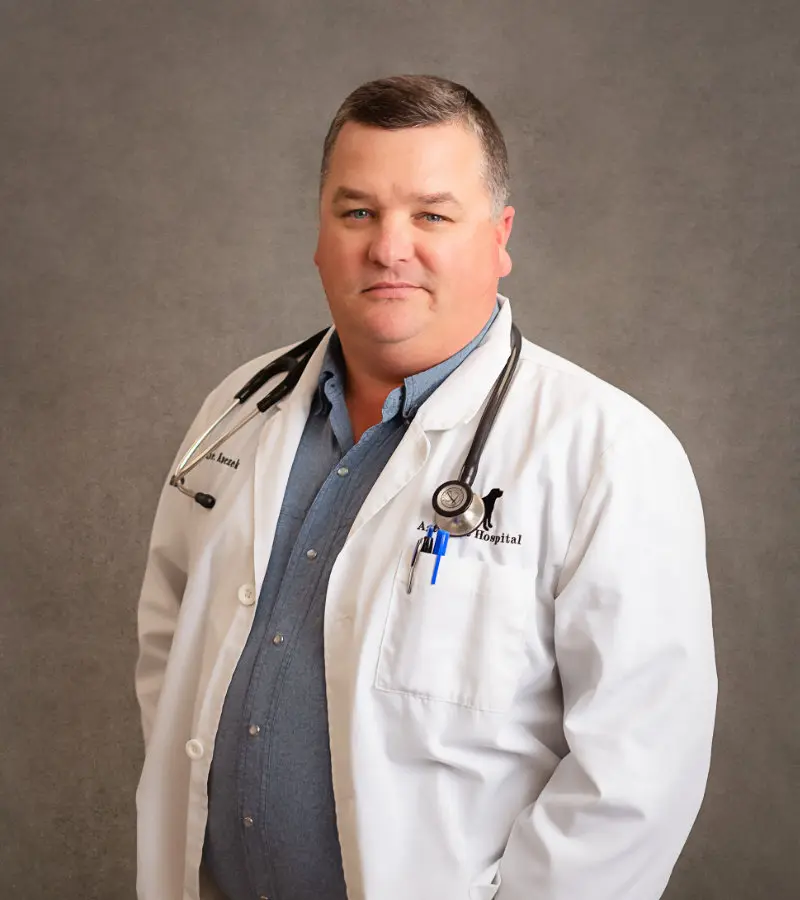
After graduating from Texas Tech and Texas A&M College of Veterinary Medicine, Dr. John H. Kuczek established a mobile large animal practice that he operated for 7 years, and spent 7 years as the veterinarian for the First Cavalry Horse Detachment, the Fort Hood Veterinary Treatment Facility, and the Military Working Dogs. In 2016, Dr. Kuczek and his wife, Emily, assumed ownership of Aztec Pet Hospital. Dr. Kuczek is passionate about internal medicine and critical care and continuously seeks educational opportunities and invests in the latest technology to ensure our clients receive the highest quality of medicine possible right here at Aztec with the doctors they know and trust.